Tourism in Walton County is more than a summer rush. In fact, year-round visitation to this desired destination keeps the tourism economy humming, which directly impacts the vitality of our communities and quality of life for local residents.
Take our culinary scene, for example. With more than 200 restaurants, Walton County offers world-class dining and a robust food culture. Experienced chefs from across the country have chosen to expand their culinary creations here — from South Walton to DeFuniak Springs.
“Walton County over the years… the tourism and the growth of the people that have moved here has really allowed the culinary world to expand,” said Chef Todd Misener of Iron & Grape.
Without ongoing visitation to support the diversity and quality of dining opportunities, chefs like Misener would not be able to offer their dynamic culinary experiences, which are enjoyed by locals and visitors alike.

“Walton County blends small-town soul with world-class flavor—fresh Gulf seafood, vibrant farms and a community that inspires everything we do,” said Personal Chef Dan Vargo of Fine Coastal Cuisine.
The impact of sustained visitation extends beyond its allure as a top dining destination. In 2024, visitors accounted for 71% of all spending in Walton County. That means every shop, restaurant and small business across the county benefits from the dollars visitors bring.
Steady visitation keeps Walton County’s residents working, supporting more than 33,000 jobs — directly and indirectly — while generating $1.4 billion in wages and salaries in 2024.
Hospitality and tourism workforce demand ranges from restaurant servers to resort management, developers and financiers, with opportunities to build a career, raise a family and enjoy a robust life without having to leave home.

“Hospitality is a dynamic field that demands continuous adaptation, learning and growth within our industry,” said Peggy Moravec, director of sales for Embassy Suites in Miramar Beach. “Success requires a commitment to embracing ongoing change and development, and a genuine interest in people is a must.”
In addition to leisure travelers, the Walton County Tourism Group Sales team works to attract large groups, associations, sporting events and weddings to keep the economy strong through all seasons. Venues like the Hilton Sandestin Beach Golf Resort & Spa, which employs around 350 people, play a major role in sustaining year-round business, ensuring local restaurants and shops remain active long after the summer crowds depart.
“Our goal is to keep the incredible energy we see from March through October going strong year-round,” said Kevin Rosa, director of sales and marketing for Hilton Sandestin Beach Golf Resort & Spa, adding that he’s already seen a nice uptick in bookings for early 2026.
“Hospitality is a dynamic field that demands continuous adaptation, learning and growth within our industry. Success requires a commitment to embracing ongoing change and development, and a genuine interest in people is a must.”
Walton County’s arts and culture scene also thrives thanks to tourism. Events like the South Walton Beaches Food & Wine Festival and the 30A Songwriters Festival are nationally acclaimed events that support our local businesses and charities.
To showcase the importance of art, tourism dollars support the annual Artist of the Year Award and the Art in Public Places initiative — giving our residents a larger-than-life viewing of incredible murals throughout the county that elevate the beauty and culture of our community.
“Tourism continues to turn the economic engine in our community,” said Tourism Director Matt Algarin. “Walton County has big city amenities with small town charm. We use visitor dollars to benefit all, while also improving the quality of life for residents.”
Let’s look at the numbers: With more than 4.7 million visitors welcomed to the destination in 2024, their direct spending of $4.1 billion contributed to a $4.9 billion economic impact. Tourist Development Tax collections totaled $60.4 million, a slight increase from the prior year.
Since 2016, the county has used more than $120 million in TDT funds to enhance Walton County – improving beach accesses, expanding parking, maintaining our fragile ecosystem and strengthening infrastructure.
Often called the “bed tax,” the TDT funds amenities and services that benefit both visitors and residents — including beach access and parking, lifeguards, hiking trails and special events.
As a reminder, TDT is collected on stays of six months or less in a short-term rental, such as a hotel, condo, single-family home or campground. Walton County residents do not pay the tax unless they are taking a “staycation” in a local accommodation.
One of the biggest benefits of TDT is the investment in the destination. Since 2016, the county has used more than $120 million in TDT funds to enhance Walton County — improving beach accesses, expanding parking, maintaining our fragile ecosystem and strengthening infrastructure.
Today, over 65 public beach and bay accesses and parking facilities provide over 900 parking spaces, with 181 more planned by the end of 2026 at sites like the 393 Municipal Parking Facility, Seagrove Regional Beach Access and the Driftwood Road Municipal Parking Facility.
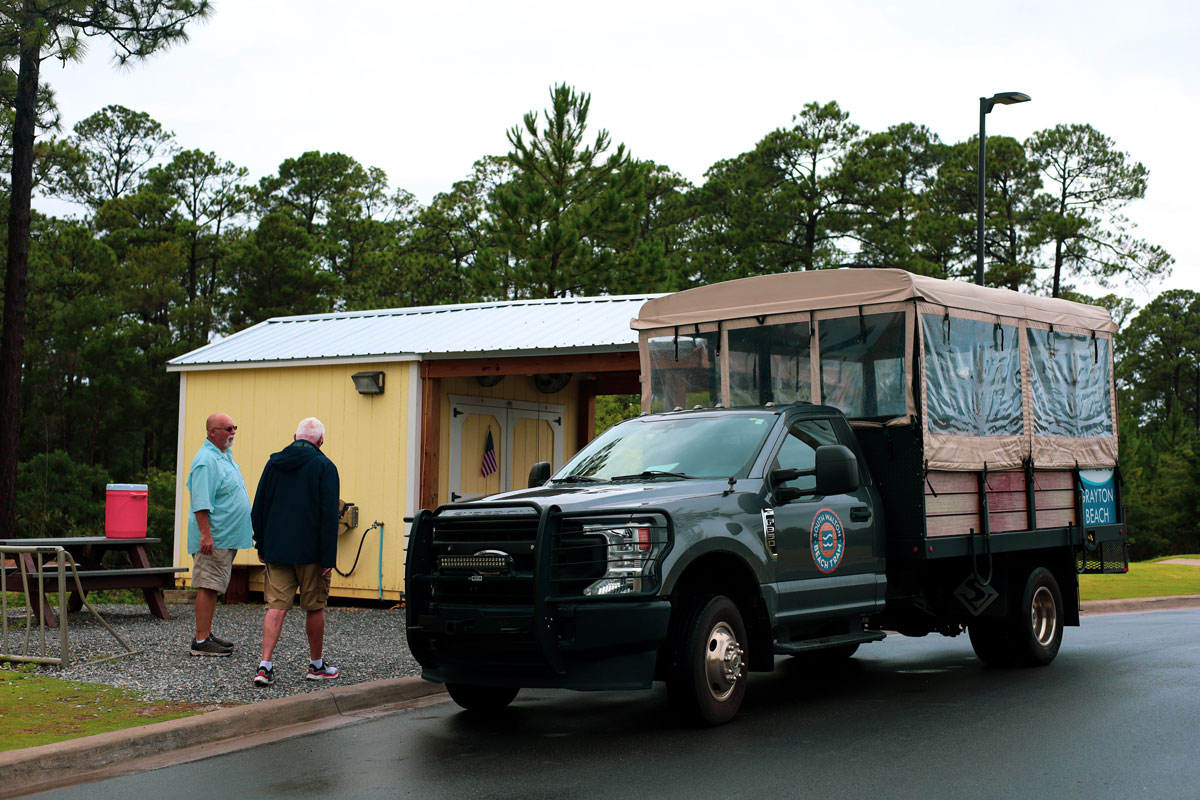
Walton County Tourism will also introduce an expanded transit program. Building on the success of the Grayton Central Beach Tram, the new 393 Beach Tram transports visitors to and from Ed Walline Regional Beach Access, with plans for an eventual east-to-west transit system. This is all to make beach access easier and to keep residents and visitors safe.
“As a world-class beach destination, safety of our visitors and residents is paramount,” said Algarin.
Using tourism dollars not only allows WCT to promote safety initiatives, but also to support South Walton Fire District’s Beach Safety program.
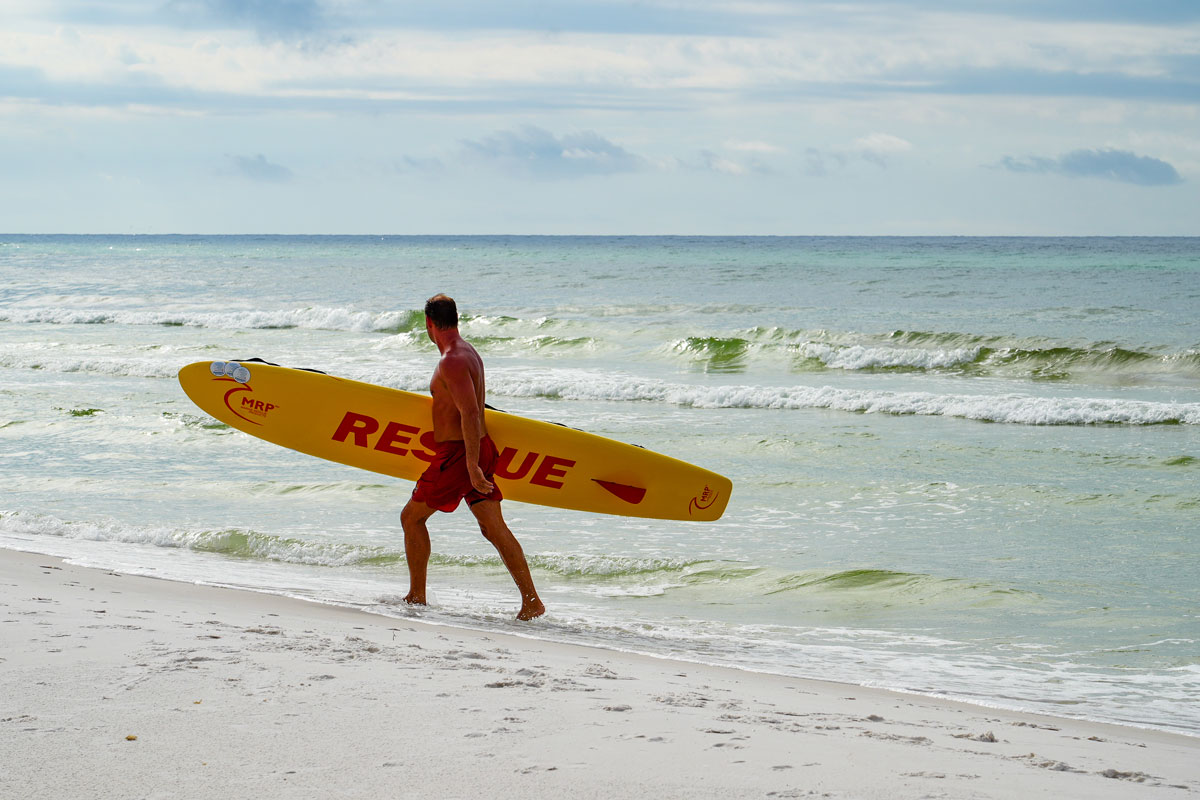
“Tourism is the lifeblood of our Beach Safety Program,” said David Vaughan, director of beach safety. “Its importance to beach safety cannot be understated.”
Tourism fuels local jobs, improves public spaces, inspires cultural growth and helps Walton County thrive in every season, making locals’ lives better in real ways.