Since the spring, Walton County Beach Operations has expanded public access to waterways through five tourism-funded projects — all thoughtfully designed to improve outdoor access, support environmental preservation and make life a little better for both residents and visitors.
1. Grayton Beach Municipal Parking Facility
At the heart of these efforts is the Grayton Beach Municipal Parking Facility (also known as Grayton Central), a transit hub located in the middle of South Walton. This long-awaited addition is already making waves.
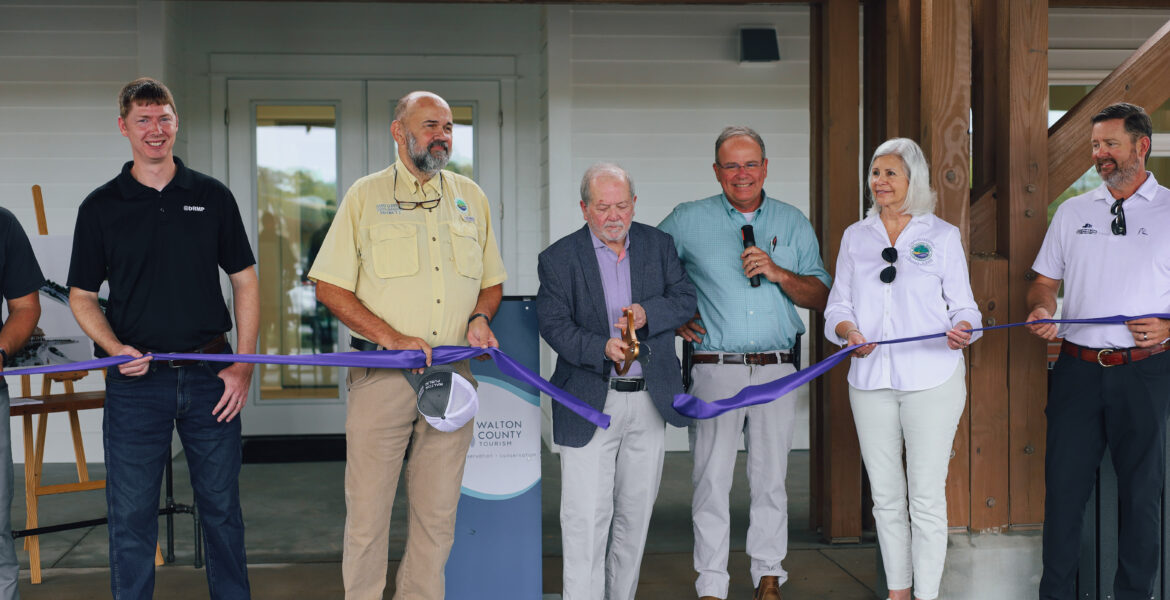
Grayton Central, located on County Road 283, officially opened in June. This $12.9 million facility offers 204 parking spaces, including designated areas for ADA-accessible vehicles, electric cars, low-speed vehicles (LSVs) and bicycles. The air-conditioned restrooms and direct connection to the county’s multi-use path make it a comfortable and convenient stop — not just for visitors heading to the beach, but for locals running errands, biking the trail or enjoying a day out in Grayton Beach.
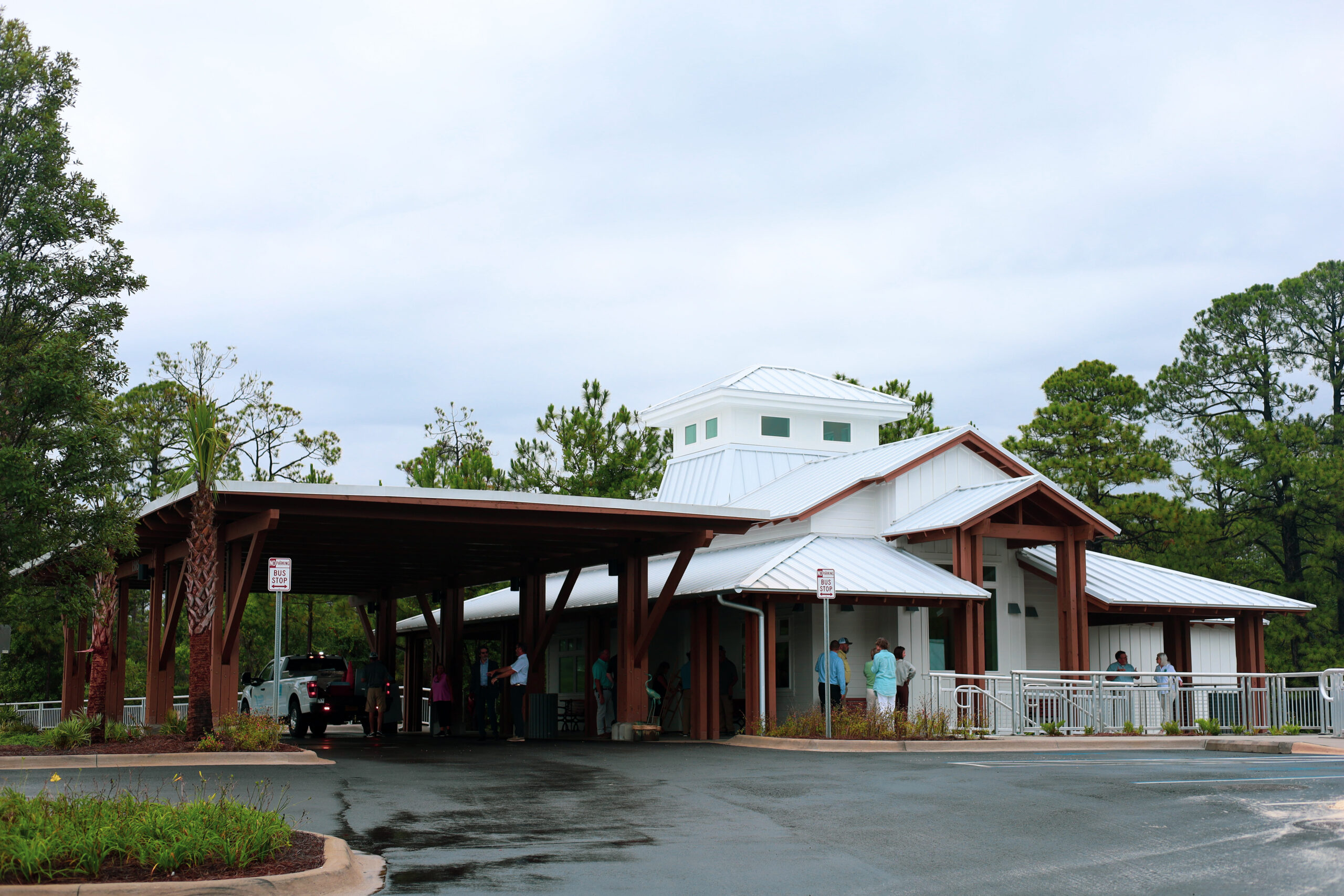 “This property was bought in August of 2016,” said District Five County Commissioner Tony Anderson. “We finally got everything together to finish it, and it’s turned out great. This is the future of South Walton.”
For locals, Grayton Central isn’t just about parking — it’s about easing congestion, giving residents more reliable options to access one of the destination’s most iconic beach neighborhoods.
The complimentary Beach Tram makes it even easier to move between the parking facility and Grayton Beach itself. This service, running between Grayton Central and the future Grayton Beach Community Center/Restroom Facility, offers a simple, stress-free way to enjoy the beach.
“Grayton had very limited parking, and [the beach tram] is probably one of the best things we’ve ever done,” Anderson said.
2. Grayton Beach Community Center
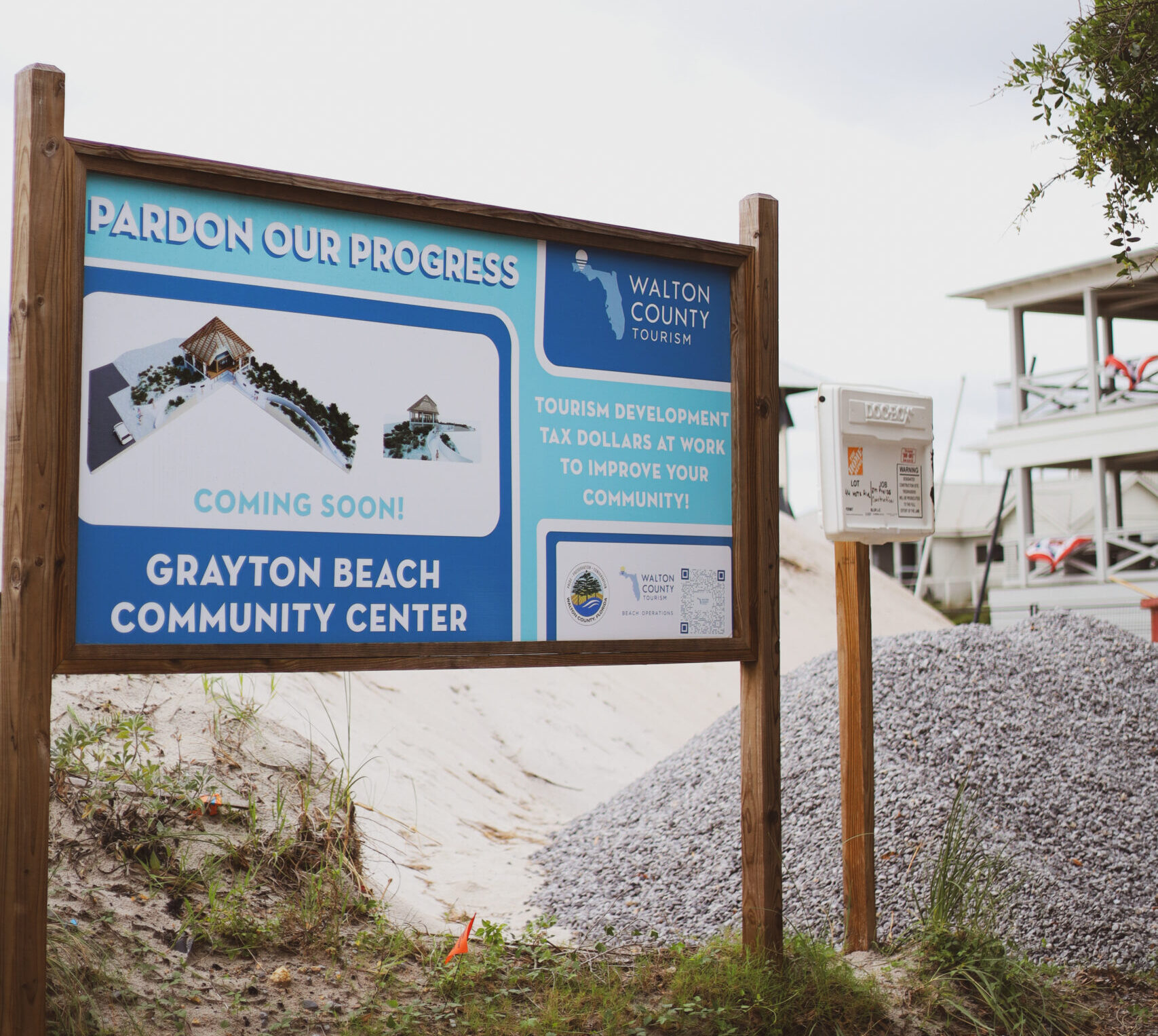 The new Grayton Beach Community Center/Restroom Facility, currently under construction, will add even more value for the neighborhood. The 1,600-square-foot space will include restrooms, a local information station and an observation deck, plus access to a new boardwalk and tram stop. It’s designed with the community in mind — a place where guests can find resources and enjoy clean, public restrooms.
The facility is expected to be completed next summer.
Beyond Grayton, several other projects across Walton County are expanding access to nature and recreation — without compromising the beauty of the destination.
3. Camp Creek Canoe and Kayak Launch, Seacrest
In Seacrest, the newly completed Camp Creek Canoe and Kayak Launch offers a peaceful retreat for paddlers and nature lovers. Considered a “pocket park,” this project was designed intentionally for the immediate community, with only a few parking spots to minimize impact on the surrounding area.
“We do what is appropriate to make a good, usable facility, and to make sure that we’re good neighbors to the people that we’re inserting these public facilities into,” said Brian Kellenberger, County Administrator.
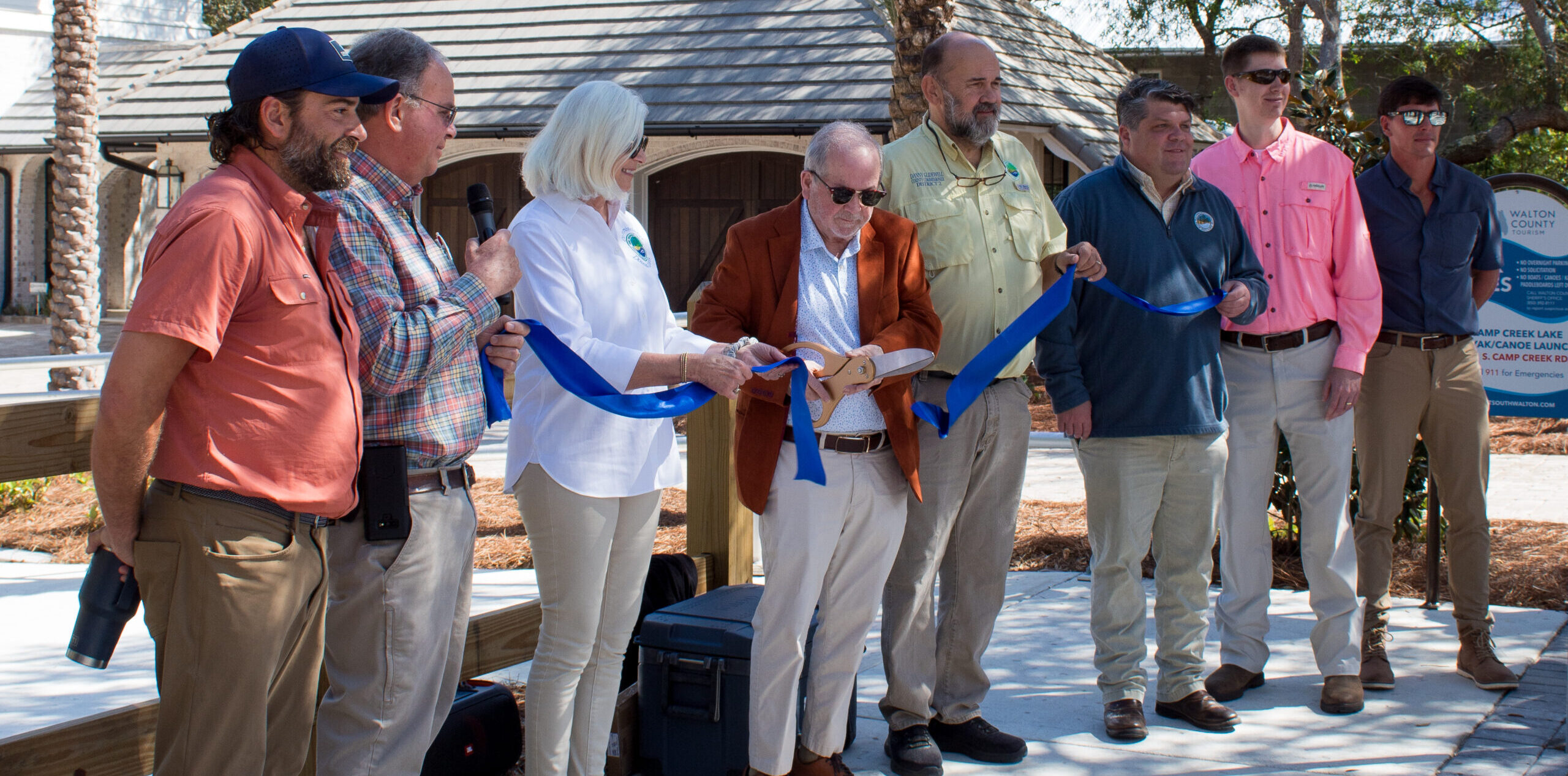 The ADA-accessible pier and specialized kayak launch provide all users with access to Walton County’s rare dune lake ecosystem. The carefully designed facility features bicycle racks, thoughtful landscaping and innovative stormwater management systems to protect the surrounding natural resources.
4. Driftwood Road Municipal Parking Facility, Miramar Beach
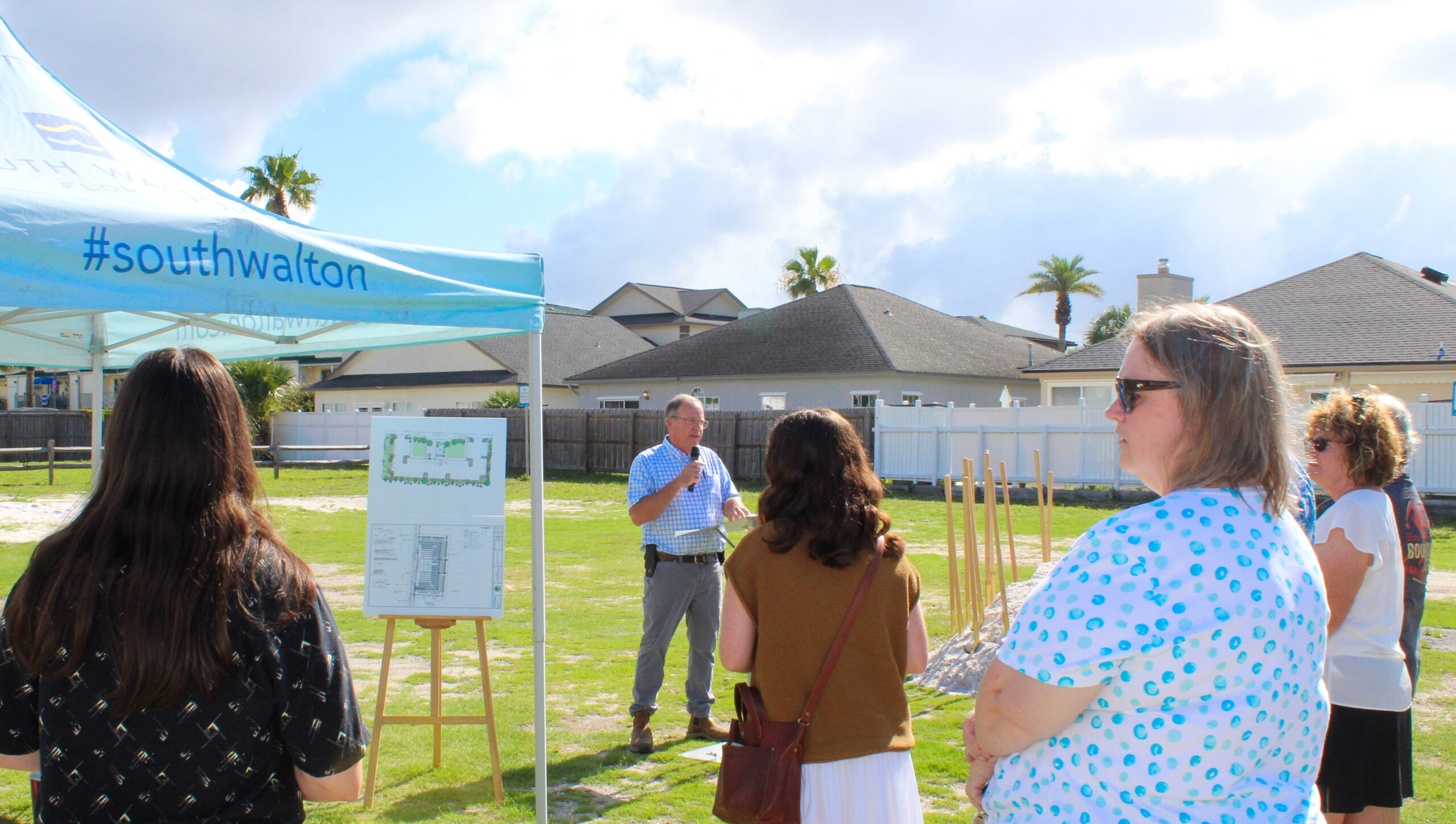
In Miramar Beach, work is underway on the Driftwood Road Municipal Parking Facility, just a quarter mile from the Miramar Regional Beach Access. The project is aiming for completion in June 2026.
Amenities of the new modern facility will include 82 parking spaces, air-conditioned public restrooms and a transit stop for beach guests’ convenience. The new layout will also help address stormwater and pedestrian safety concerns.
“Moving here in the next year, year-and-a-half, we’re going to solve a lot of problems in this area,” Kellenberger said. “With the parking, stormwater, pedestrian conveyance, beautification — we’ll make this better for people who live, do business and have short-term rentals here, as well as the visitors who stay in their accommodations.”
5. Kellogg Park Nature Center, Santa Rosa Beach
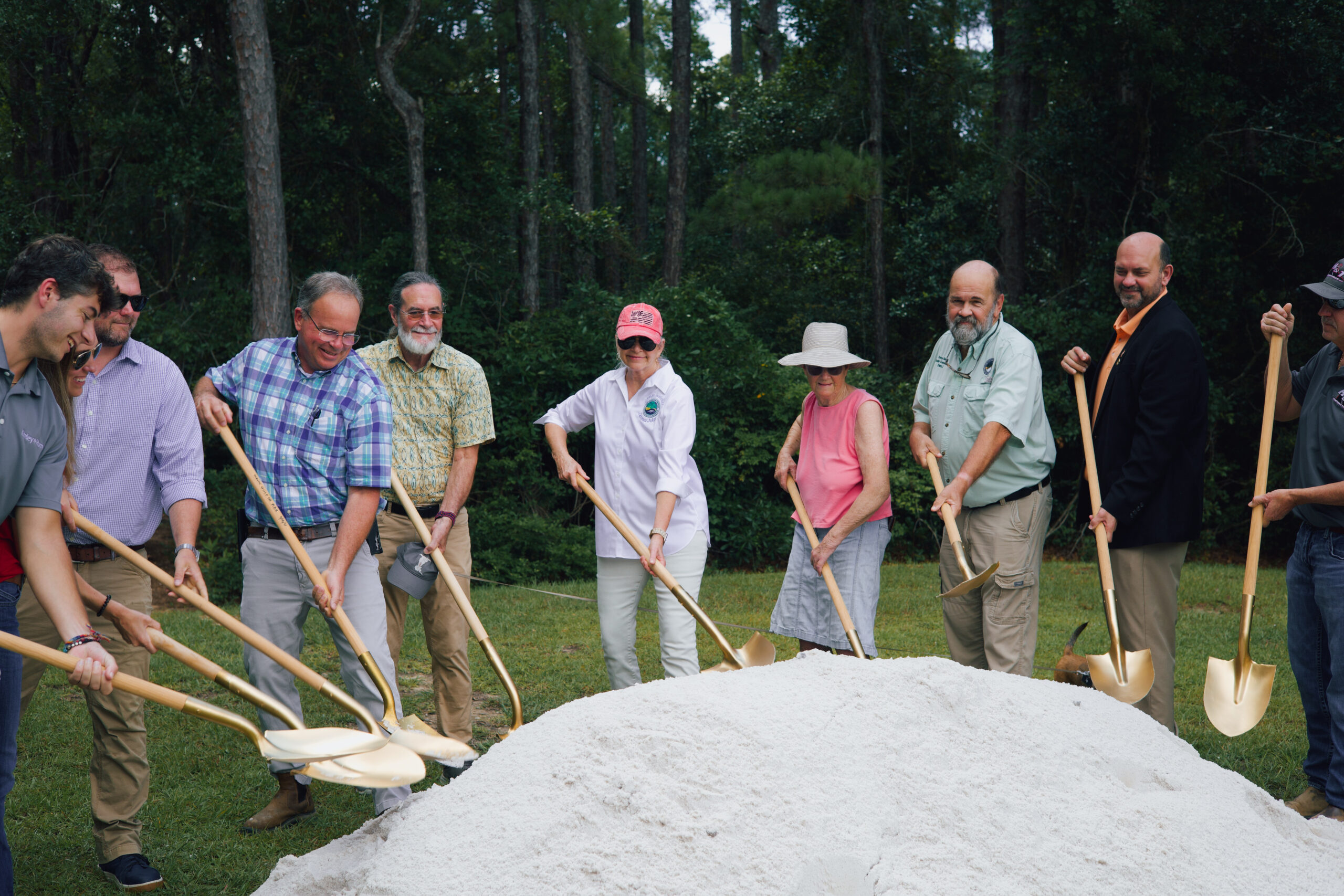
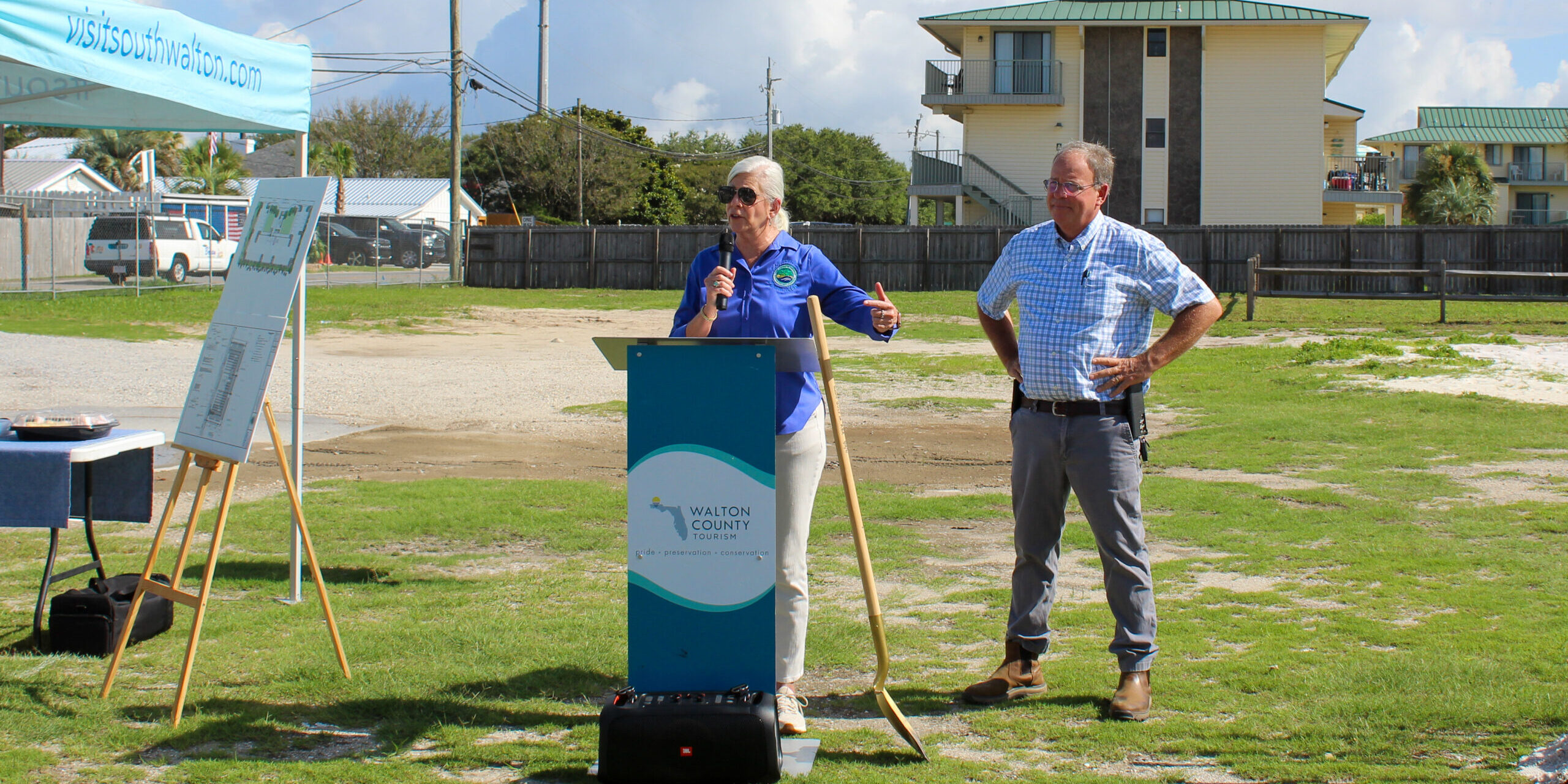
Up by the Choctawhatchee Bay in Santa Rosa Beach, the new Kellogg Park Nature Center is taking shape on a 10-acre site donated by the late naturalist Pat Kellogg. The site already includes trails, picnic areas and a kayak launch. Now, construction is underway on a 1,500-square-foot education center, complete with a spiral staircase to an observation deck, restrooms, gathering spaces and informational exhibits. The facility is estimated to be completed early next summer.
For residents, this is more than just a park — it’s a place to connect with nature, bring kids for environmental learning and preserve Walton County’s bayfront landscape.
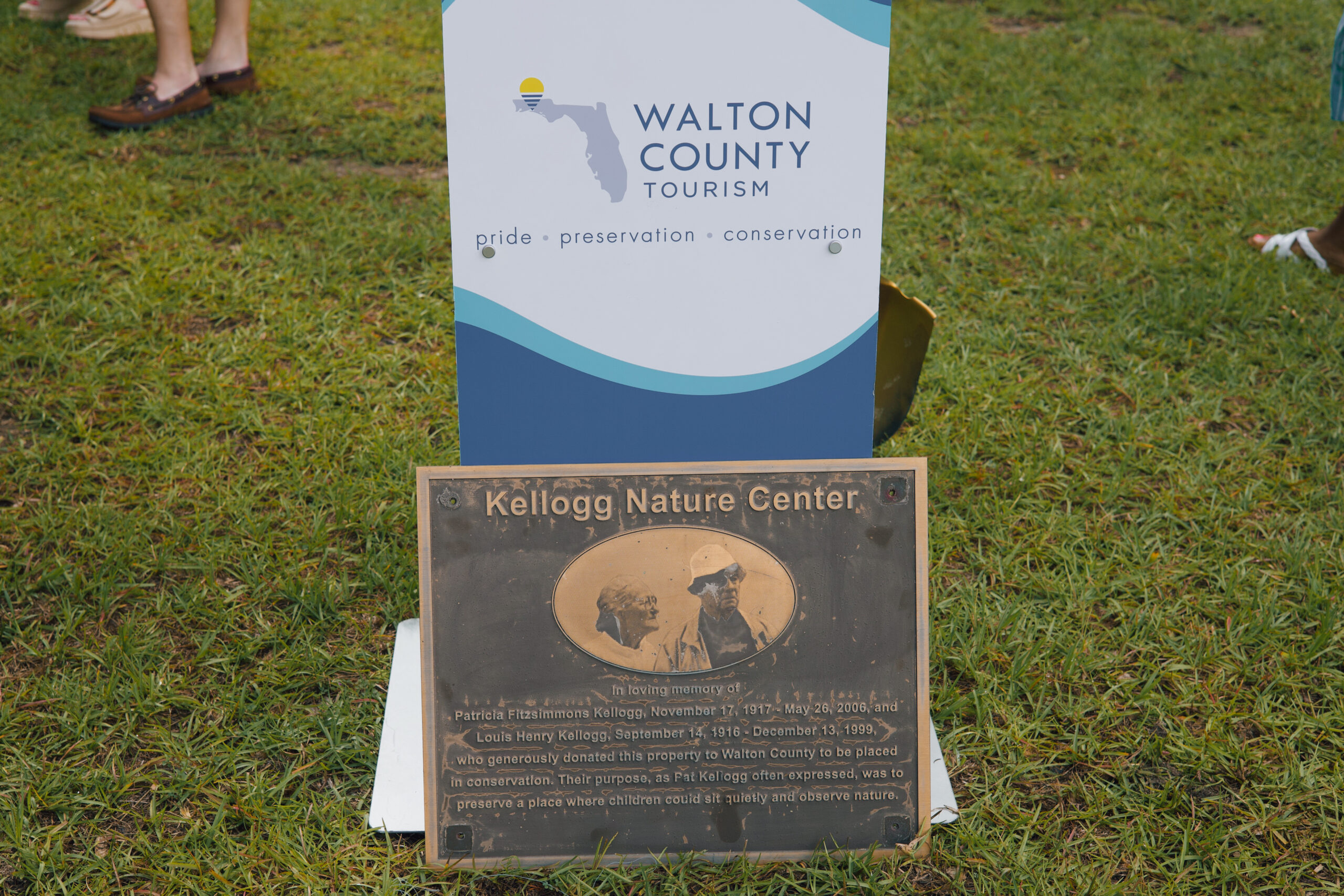 Kellogg’s daughter, Pan Godchaux, was present for the groundbreaking and praised the County for carrying out her mother’s legacy.
“I just know sometimes something like this gets lost and ends up being something else,” Godchaux said. “And so, I’m just very grateful to … the County for what you’ve [done], because my mother wanted the opportunity for kids that lived here to be able to come and see the bay. It’s very special.”
All of these projects are funded through the Tourist Development Tax (TDT) collections in South Walton. TDT ensures that the visitors enjoying the region’s natural beauty are also contributing to its preservation and enhancement.
For locals, that means more access, better amenities and protected ecosystems without the burden of additional taxes.
To see a full map of the 50 beach and bay access points available in Walton County, as well as information on the Beach Tram services, head to VisitSouthWalton.com.